HENRI MATISSE
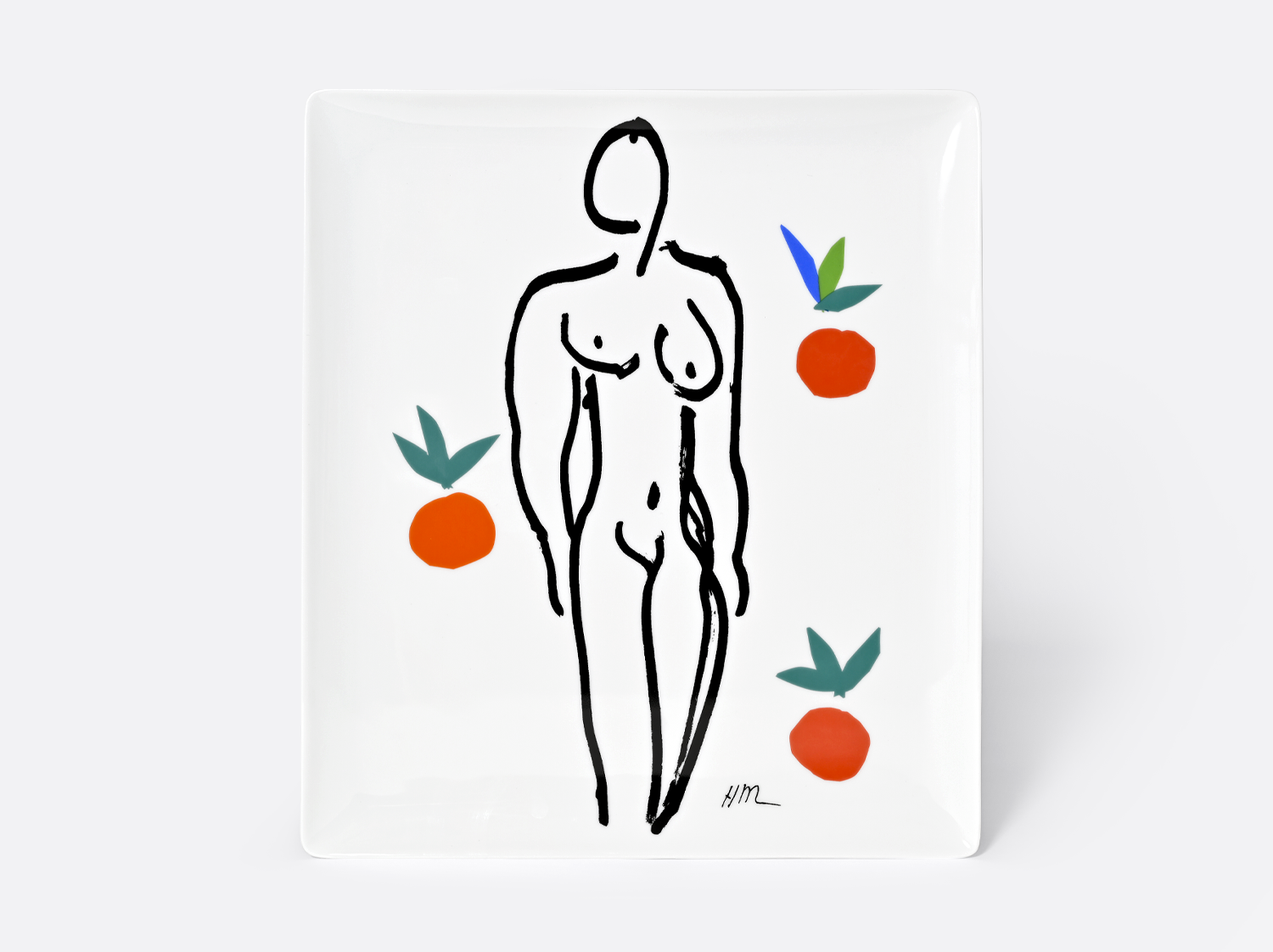
It was at the age of 20, during a period of convalescence, that Henri Matisse discovered painting through his mother. He abandoned his law studies to move to Paris, joining Gustave Moreau’s studio at the École des Beaux-Arts in 1892. Drawn to the experiments of the Neo-Impressionists, he formed close ties with Signac and Derain. In 1905, his first Fauve works exhibited at the Salon d'Automne introduced pure, liberated color. Matisse instantly became the leader of the Parisian avant-garde, emerging from anonymity. Supported by art collectors and dealers, he established a vast studio to create the ambitious decorative works he dreamed of. In late 1917, Matisse discovered Nice. Enchanted by the Southern light, he settled there permanently and set up his studio. In a space filled with objects, he painted, drew, and sculpted. By 1930, a desire for change led him to the United States and Tahiti. The American metropolises, untouched nature, and Oceanic art provided him with a fresh perspective that would fuel a new era of monumental works. In 1941, weakened by major surgery and grave illness, he embarked on what he called his "Second Life." At Villa le Rêve in Vence, the indefatigable Matisse worked night and day. He designed his first paper cut-outs, illustrated numerous books such as Jazz, and created his final monumental works. Initially conceived as a working tool to help balance shape and color, the gouached papers gradually became the artist’s preferred medium. At age 80, this breakthrough enabled him to achieve his ultimate masterpiece: the Chapel of the Rosary in Vence. Matisse passed away on November 3, 1954, at Le Régina in Nice.
All artist's creations


These artists might please you